


SKU: |10m|
In stock - 98 шт.
10 Meters Black PLA+ Filament for 3D Printer | All3dp Black PLA+ filament (10 meters) is an upgrade...

10 Meters Black PLA+ Filament for 3D Printer | All3dp Black PLA+ filament (10 meters) is an upgrade...

20 Meters Black PLA+ Filament for 3D Printer | All3DP Black PLA+ filament (20 meters) is a high-per...

50 Meters Black PLA+ Filament for 3D Printer | All3DP Black PLA+ filament (50 meters) by All3DP is ...

100 Meters Black PLA+ Filament for 3D Printer | All3DP Black PLA+ filament (100 meters) from All3DP...

Khaki Gray PETG CoPET Filament ALL3DP 1 kg SKU: 180 Khaki Gray PETG CoPET Filament ALL3DP is a pra...

Anycubic PETG Translucent Green Filament 1.75 mm 1 kg for 3D Printer ✨ Anycubic PETG Translucent ...

Anycubic PETG Translucent Purple Filament 1.75 mm 1 kg for 3D Printer ✨ Anycubic PETG Transluce...

Anycubic PETG Translucent Orange Filament 1.75 mm 1 kg for 3D Printer ✨ Anycubic PETG Transluce...

Anycubic PETG Translucent Olive Filament 1.75 mm 1 kg for 3D Printer ✨ Anycubic PETG Translucen...

Anycubic PETG Translucent Pink Filament 1.75 mm 1 kg for 3D Printer ✨ Anycubic PETG Translucent...
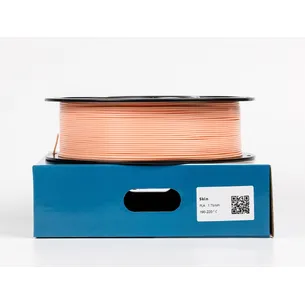
Beige PLA Filament PLA (Polylactic Acid) is a biodegradable thermoplastic made from renewable resou...

PETG філамент (пластик) для 3D принтера Жовтий
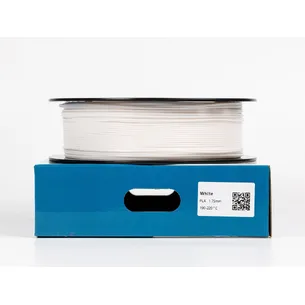
RAL 9016 #F6F6F6 Traffic white Білий PLA пластик для 3D принтера | ...

PETG філамент (пластик) для 3D принтера Червоний
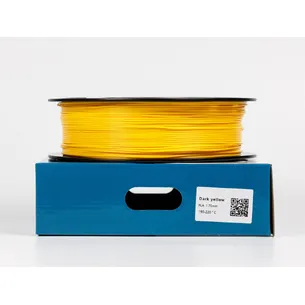
Темно-жовтий PLA пластик для 3D принтера | Pla Dark Yellow RAL 1018 #F3E03B Zinc yello...

PLA Olive Green Filament 1 kg 1.75 mm 🟢 PLA Olive Green 1 kg is an olive green PLA filament for FDM...
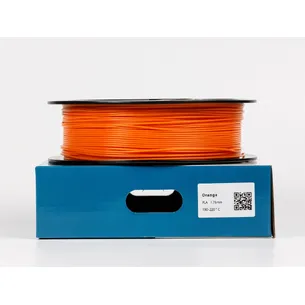
RAL 2004 #E75B12 Pure orange Помаранчевий PLA пластик для 3D принтера...

PLA Light Pink RAL 3015 Filament 1 kg 1.75 mm 🌸 PLA Light Pink 1 kg is a light pink PLA filament fo...

PLA Dark Pink RAL 3017 Filament 1 kg 1.75 mm 🌺 PLA Dark Pink 1 kg is a dark pink PLA filament for F...
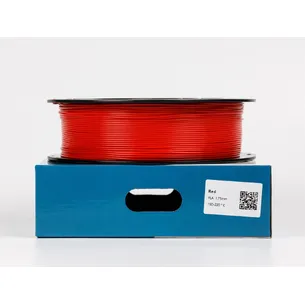
RAL 3020 #C1121C traffic red Червоний PLA пластик для 3D принтера | Pla...

PLA Grey RAL 7036 Filament 1 kg 1.75 mm ⚙️ PLA Grey 1 kg is a grey PLA filament for FDM/FFF 3D prin...
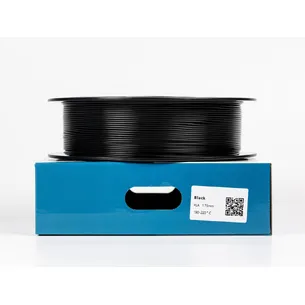
RAL 7021 #2E3234 Black grey Чорний PLA пластик для 3D принтера | Pla RAL 7021...
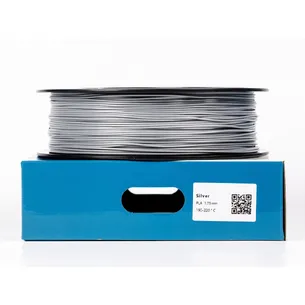
RAL 7001 #8F999F Silver grey Срібно-сірий PLA пластик для 3D принтера...
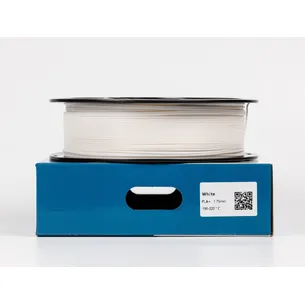
White PLA plus plastic for 3D printer ✪1kg✪1.75mm
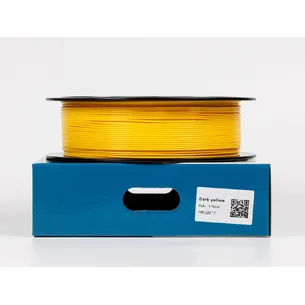
RAL 1018 #F3E03B Zinc yellow Темно-жовтий пла плюс пластик для 3D принтера ✪1...

RAL 3015 #E1A6AD Light pink Світло-рожевий пла плюс пластик для 3D прин...

RAL 7021 #2E3234 Black grey Чорний пла плюс пластик для 3D принтера ✪1кг✪1.75...
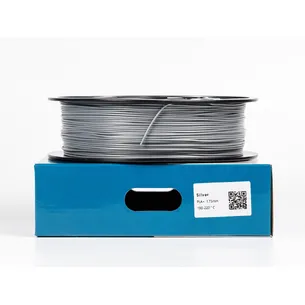
RAL 7001 #8F999F Silver grey Срібло пла плюс пластик для 3D принтера ✪1кг✪1.7...

RAL 7008 #746643 Khaki grey Койот Хакі сірий пла плюс пластик для 3D принтера...

RAL 3012 #CB8D73 Beige red Бежево-червоний пла плюс пластик для 3D принтера ✪...
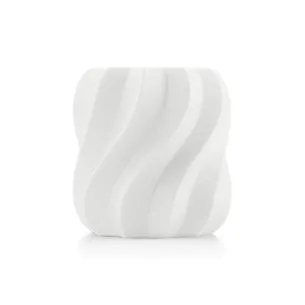
Anycubic PLA Basic White Filament 1 kg 1.75 mm ⚪ Description Anycubic PLA Basic White Filament 1 k...

Anycubic PLA Filament Green Flash 1 kg 1.75 mm 🟢 Description Anycubic PLA Filament Green Flash 1...

ALL3DP PLA+ Transparent Green Grass Filament 1 kg 1.75 mm ALL3DP PLA+ Transparent Green Grass Filam...

ALL3DP PLA+ Transparent Yellow Filament 1 kg 1.75 mm ALL3DP PLA+ Transparent Yellow Filament is a t...

ALL3DP PLA+ Transparent Green Filament 1 kg 1.75 mm ALL3DP PLA+ Transparent Green Filament is a tra...

ALL3DP PLA+ Transparent Orange Filament 1 kg 1.75 mm ALL3DP PLA+ Transparent Orange Filament is a t...

ALL3DP PLA+ Transparent Blue Filament 1 kg 1.75 mm ALL3DP PLA+ Transparent Blue Filament is a trans...

ALL3DP PLA Twinkling Orange Glitter Filament 1 kg 1.75 mm ALL3DP PLA Twinkling Orange Filament is a...

Anycubic PETG Pink Filament 1.75 mm 1 kg for 3D Printer ✨ Anycubic PETG Pink Filament is a strong...

PLA Silk Yellow Filament ALL3DP 1 kg 1.75 mm 330 m PLA Silk Yellow ALL3DP is a decorative yellow si...
For 3D printing, there are several types of plastic filaments that can be used in 3D printers. Here are some of the most popular materials:
PLA (Polylactide): PLA is one of the most common materials used in 3D printing. It is environmentally friendly, biodegradable and great for prototyping, decorative items and other objects. It does not require special printing conditions and has a low level of distortion.
ABS (Acrylonitrile Butadiene Styrene): ABS is a strong and impact-resistant material, but requires higher printing temperatures and good ventilation due to the release of harmful fumes. It is commonly used to create functional parts such as mechanism parts or protective cases.
PETG (Polyethylene Glycol Terephthalate): PETG is a strong and impact-resistant material that also has good transparency. It is often used to create bottles, containers and parts for prototyping.
TPU (Thermoplastic Polyurethane): TPU is a flexible material suitable for making flexible and rubber-like parts such as seals, oil seals and shoes.
Nylon: Nylon is a strong and wear-resistant material that is often used to create functional and mechanical parts such as gears and bearings.
Each of these materials has its own characteristics and requirements for printer settings, so it is important to read the filament manufacturer's recommendations and set up the printer accordingly before starting to print.
Polylactide (PLA) is a biodegradable plastic made from renewable resources such as corn, potatoes and sugar cane. It is often used in a variety of industries, including packaging, medical devices, textiles, and 3D printing.
Below are some of the main characteristics of PLA:
Biodegradability: PLA is a biodegradable material, meaning it breaks down naturally over time, reducing the negative impact on the environment compared to traditional plastics.
Transparency and Gloss: PLA has good transparency and gloss, making it attractive for use in packaging and visually appealing products.
Petroleum dependence: PLA is made from plant-based raw materials, which reduces dependence on petroleum and reduces greenhouse gas emissions during production.
Application limitations: PLA is generally less heat-resistant and less durable than some other plastics, such as polypropylene or polyethylene. This limits its use in some areas where high temperature resistance or mechanical strength is required.
3D Printing: PLA is very popular in the 3D printing world due to its relative ease of use, affordability, and biodegradability.
It is important to note that PLA can have various modifications that can improve its properties, such as biodegradability, heat resistance or mechanical strength, depending on the specific application.
Acrylonitrile-butadiene-styrene, ABS for short, is a thermoplastic polymer that consists of three main components: acrylonitrile, butadiene, and styrene. ABS is one of the most widely used engineering plastics and has a number of characteristics and applications:
Strength and stiffness: ABS has good mechanical strength and stiffness, making it suitable for various engineering applications, including automotive parts, toys, tools, etc.
Impact resistance: ABS also has high impact resistance, making it a good choice for manufacturing parts that are subject to mechanical stress.
Good machinability: ABS is easy to process, including milling, drilling, cutting and 3D printing.
Heat resistance: ABS can withstand relatively high temperatures, making it suitable for applications where heat resistance is required.
Chemical resistance: ABS is resistant to some chemicals, making it suitable for use in laboratory and medical applications.
Electrical insulation: ABS has good insulating properties, making it suitable for applications in electronics and electrical engineering.
Inexpensive: ABS is readily available and relatively inexpensive to manufacture, making it attractive to a variety of industries.
It is important to note that ABS is not biodegradable and can release harmful fumes when processed at elevated temperatures. It is also important to observe safety measures when processing ABS and ensure good ventilation of the work premises.
Polyethylene glycol terephthalate (PETG) is a thermoplastic polymer that is often used in a variety of applications due to its unique properties. Here are some of the main characteristics and applications of PETG:
Transparency: PETG has good transparency, making it an excellent choice for making transparent or semi-transparent products such as packaging, display cases, bottles and other products where visibility of the contents is important.
Impact resistance: PETG has high impact resistance and tear resistance, making it a good choice for applications that require high strength and damage protection.
Biodegradability: Some PETG options can be biodegradable, helping to reduce environmental impact.
Good chemical resistance: PETG is resistant to many chemicals, making it suitable for use in medical applications and equipment where resistance to chemical agents is required.
Good machinability: PETG is easily processed, including cutting, welding, hot casting and 3D printing, making it suitable for a variety of manufacturing processes.
Medical Applications: PETG is used in medical plastic packaging, as well as to create medical equipment and protective shields due to its resistance to sterilization and chemical agents.
Applications in 3D printing: PETG has also become a popular material for 3D printing due to its strength and resistance to external influences.
PETG is a versatile material that combines many useful properties, making it attractive for various industries and applications.
Thermoplastic polyurethane (TPU) is a type of thermoplastic polyurethane that has unique properties and is often used in various fields due to its flexibility and abrasion resistance. Here are some of the main characteristics and applications of TPU:
Elasticity: TPU has outstanding elasticity and the ability to recover its shape after deformation, which makes it suitable for making elastic and flexible products.
Abrasion Resistance: TPU is highly resistant to wear and abrasion, making it an excellent choice for applications subject to friction and abrasion.
Impact resistance: TPU has good impact resistance and high tensile strength, making it suitable for protective cases, shoes, sports equipment and other products that are subject to impact.
Flexibility at low temperatures: TPU remains flexible even at low temperatures, making it suitable for cold climates.
Chemical resistance: TPU is resistant to many chemicals, making it suitable for use in areas where chemical resistance is required.
Applications in footwear: TPU is widely used in the manufacture of footwear, including soles and protective elements, due to its elasticity and wear resistance.
Medical Applications: TPU is also used in medical applications, including the manufacture of soft medical pads, tubing and other products.
3D Printing: TPU is a popular material for 3D printing, especially for creating flexible and flexible models and prototypes.
TPU is a multi-purpose material that is used in various industries due to its unique properties and ability to adapt to different operating conditions.
Nylon (polyamide) is a popular material for 3D printing due to its strength, high wear resistance and flexibility. It can be used to create a variety of functional prototypes and parts. Here are some of the features and benefits of nylon in 3D printing:
Strength and durability: Nylon has high mechanical strength and impact resistance, making it an ideal material for prototyping and functional parts, including gears, machine parts, and more.
Flexibility: Nylon can be flexible, especially in thin structures, allowing for parts that can bend and spring.
Chemical resistance: Nylon is resistant to many chemicals, allowing it to be used in conditions where other materials would fail.
Smooth surface: Compared to some other 3D printing materials, nylon can create smoother and more detailed surfaces.
Amorphous structure: Nylon has an amorphous structure, which allows it to retain its shape when exposed to heat and not deform for a long time.
Nylon can be moisture resistant, making it suitable for applications in high humidity conditions.
However, there are several important aspects to consider when 3D printing nylon:
Temperature Requirements Nylon requires a high printing temperature, often around 240-260 °C. It is also necessary to heat the work platform to ensure good adhesion.
Moisture: Nylon can absorb moisture from the environment, which can affect print quality. Nylon must be stored in dry conditions and, if necessary, dried before printing.
Finishing and Post-Printing: Nylon may require additional finishing, such as polishing or painting, to achieve optimal appearance and performance.
Overall, nylon is a multi-purpose 3D printing material that can be used for a variety of applications that require strength and durability.