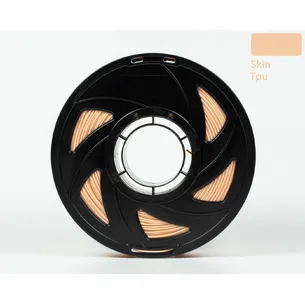
PU 95A refers to a type of thermoplastic polyurethane (TPU) with a Shore A hardness rating of 95. Here’s a detailed description:
TPU 95A
Overview
TPU (Thermoplastic Polyurethane) is a flexible and durable material commonly used in 3D printing, industrial applications, and various consumer products. The "95A" designation indicates the hardness of the TPU on the Shore A scale, which measures the hardness of flexible materials.
Properties
-
Hardness:
- Shore A Hardness: 95A. This rating indicates that TPU 95A is relatively hard compared to other TPU variants, which may have a Shore A hardness rating ranging from 85A to 98A. It strikes a balance between flexibility and rigidity, providing a good combination of softness and strength.
-
Flexibility:
- Moderate Flexibility: TPU 95A offers moderate flexibility, making it suitable for applications where a certain degree of bendability is required without being too soft. It can stretch and return to its original shape, making it ideal for parts that need to absorb impact or handle dynamic stresses.
-
Durability:
- High Durability: TPU 95A is known for its toughness and resistance to wear, tear, and abrasion. It maintains its performance under a range of environmental conditions, including exposure to oils, greases, and chemicals.
-
Elasticity:
- Good Elasticity: This TPU variant exhibits good elastic properties, allowing it to stretch and recover its shape. It is less flexible than softer TPUs but provides more structural support.
-
Processing:
- 3D Printing Compatibility: TPU 95A is widely used in 3D printing, especially for creating functional parts, flexible prototypes, and wear-resistant components. It requires specific printing settings, such as slower print speeds and precise temperature control, to achieve optimal results.
-
Applications:
- Industrial: Used in producing seals, gaskets, and parts that need to withstand mechanical stress and environmental conditions.
- Consumer Products: Found in products like phone cases, footwear, and flexible containers.
- Prototyping: Ideal for creating flexible prototypes that need to simulate real-world usage conditions.
Advantages
- High Impact Resistance: TPU 95A can withstand significant impacts without deforming or breaking.
- Good Wear Resistance: It resists abrasion and wear, making it suitable for high-contact applications.
- Flexible Yet Strong: Provides a good balance between flexibility and strength.
Considerations
- Print Settings: When 3D printing with TPU 95A, ensure proper settings for extrusion speed, temperature, and retraction to prevent issues like stringing or poor adhesion.
- Storage: Store TPU 95A in a dry environment to prevent moisture absorption, which can affect its printing quality and performance.
TPU 95A is a versatile material offering a balance of flexibility, durability, and strength, making it suitable for a wide range of applications in both industrial and consumer products. If you have any specific questions about TPU 95A or its applications, feel free to ask!
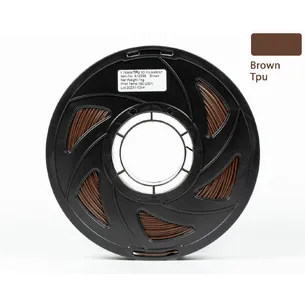
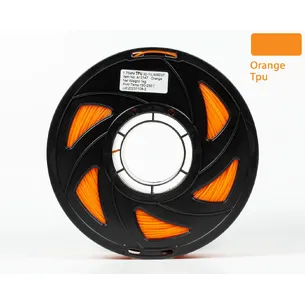
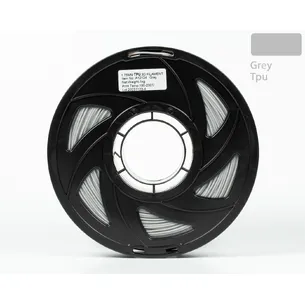
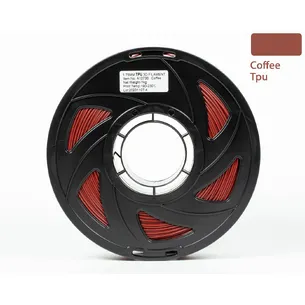
The Tronxy TPU 95A is a flexible filament designed for 3D printing, known for its durability and elasticity. Here are the typical technical specifications for this type of filament:
Tronxy TPU 95A Technical Specifications
-
Material Type:
- Filament: Thermoplastic Polyurethane (TPU)
- Flexibility: Flexible with Shore hardness of 95A
-
Physical Properties:
- Diameter: Typically available in 1.75 mm or 2.85 mm (check specific product for exact diameter)
- Tolerance: ±0.05 mm (commonly)
-
Printing Properties:
- Print Temperature Range: 210°C to 230°C (depending on printer and environment)
- Bed Temperature Range: 50°C to 60°C (for better adhesion; can be adjusted based on printer)
- Print Speed: 20 mm/s to 40 mm/s (generally recommended; slower speeds can improve print quality)
- Cooling: Cooling fan can be used, but often printing without a fan yields better results
-
Mechanical Properties:
- Shore Hardness: 95A
- Tensile Strength: Approximately 20-30 MPa (varies based on specific brand and formulation)
- Elongation at Break: Approximately 300-500% (varies based on specific brand and formulation)
-
Storage and Handling:
- Recommended Storage: Store in a cool, dry place. TPU should be kept away from moisture as it can absorb water, affecting print quality.
- Packaging: Usually comes in vacuum-sealed bags with desiccants to maintain dryness.
-
Compatibility:
- Printer Type: Compatible with most FDM/FFF 3D printers, but it’s essential to ensure that the printer can handle flexible filaments and has a suitable extrusion system.
-
Additional Features:
- Adhesion: Adheres well to heated print beds, but adhesion can be improved with the use of adhesion aids like glue stick or painter's tape.
- Post-Processing: Can be sanded and painted if needed, though post-processing is generally more challenging compared to rigid filaments.
Applications:
- Functional Prototypes: Useful for creating prototypes that require flexibility and impact resistance.
- Wearable Items: Ideal for making items such as phone cases, gaskets, and custom-fit components.
- Custom Parts: Great for parts that need to flex or compress, like mechanical parts and toys.
If you have specific needs or questions about the Tronxy TPU 95A or its compatibility with your 3D printer, feel free to ask!