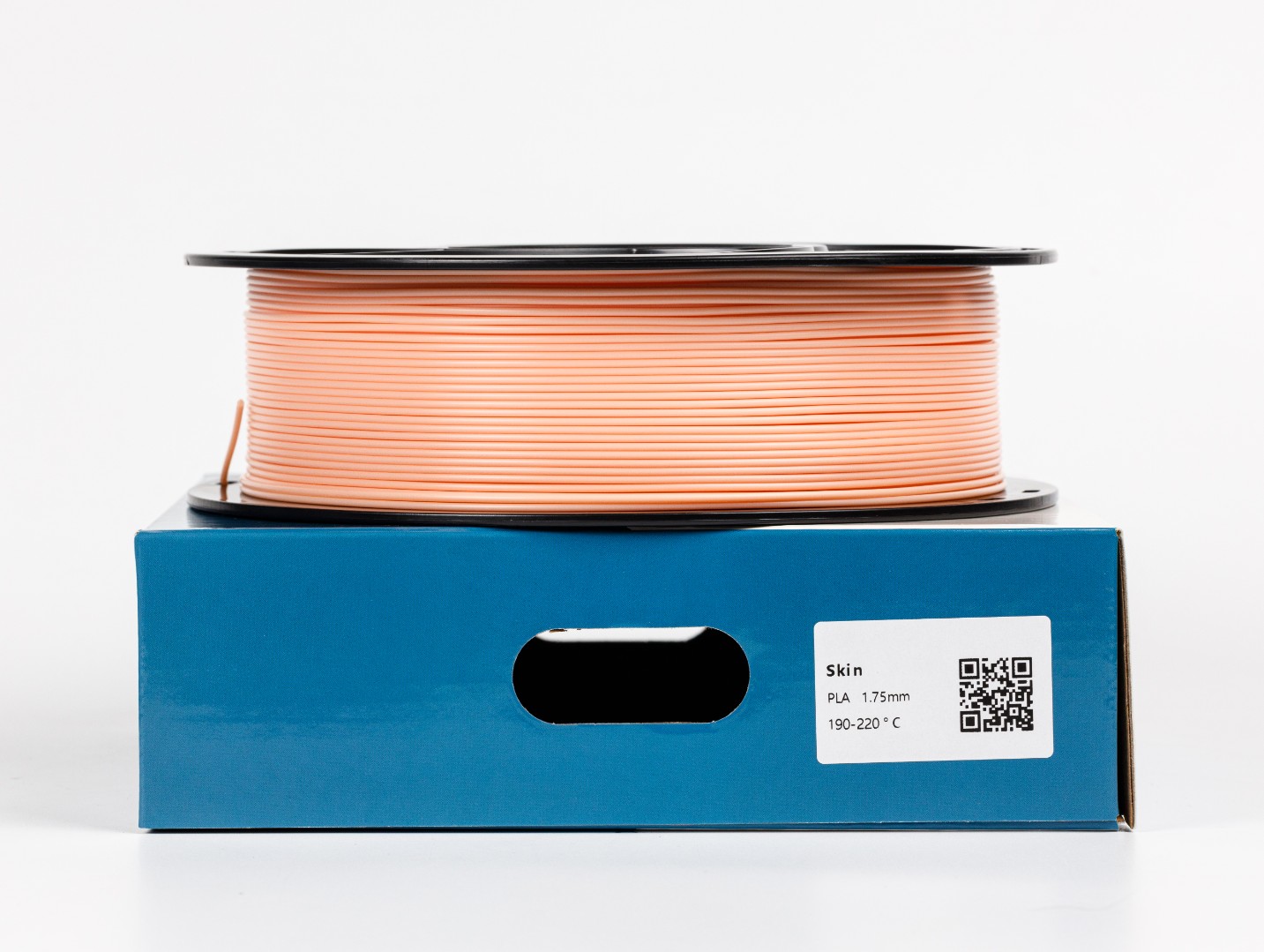
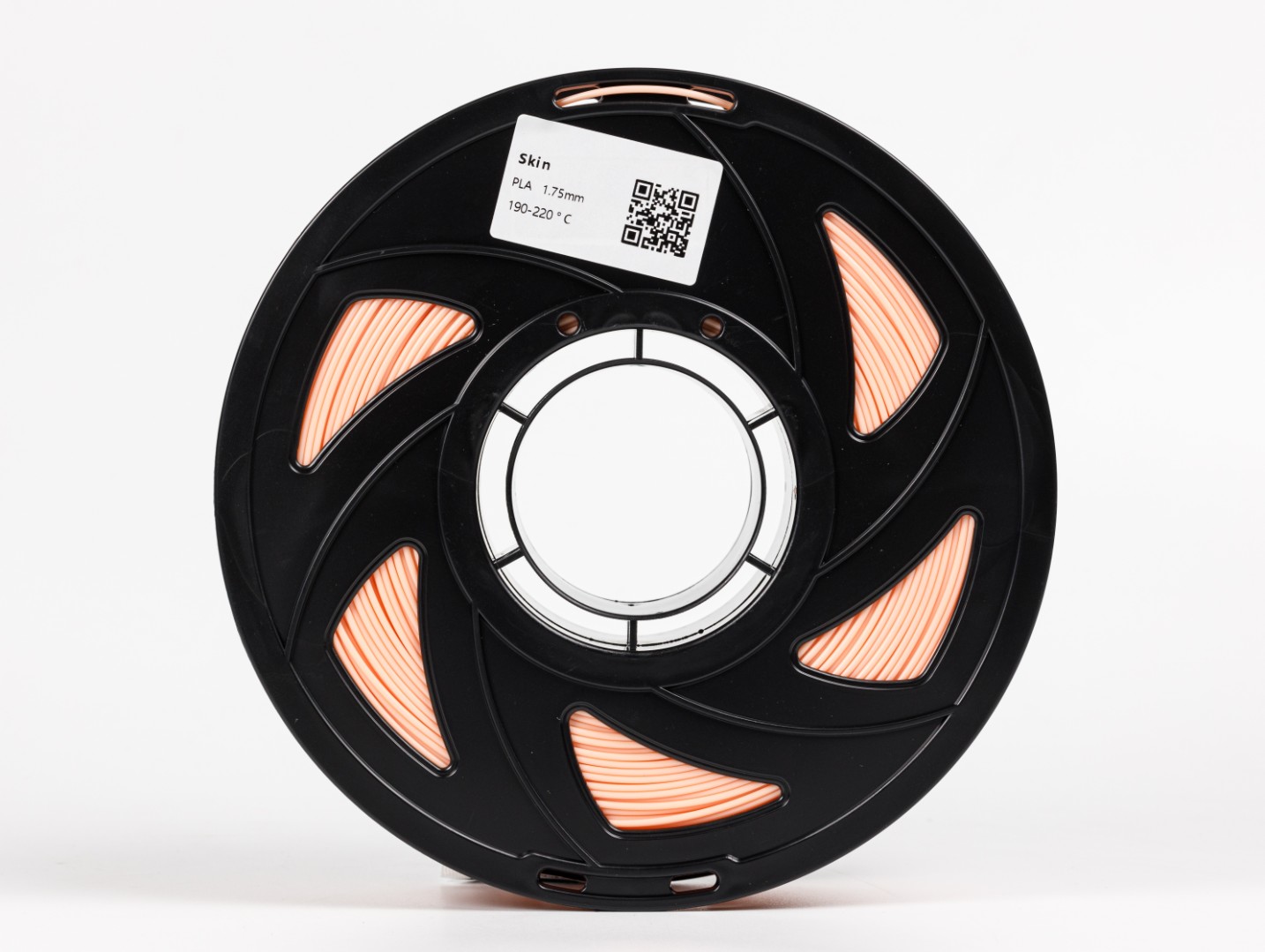
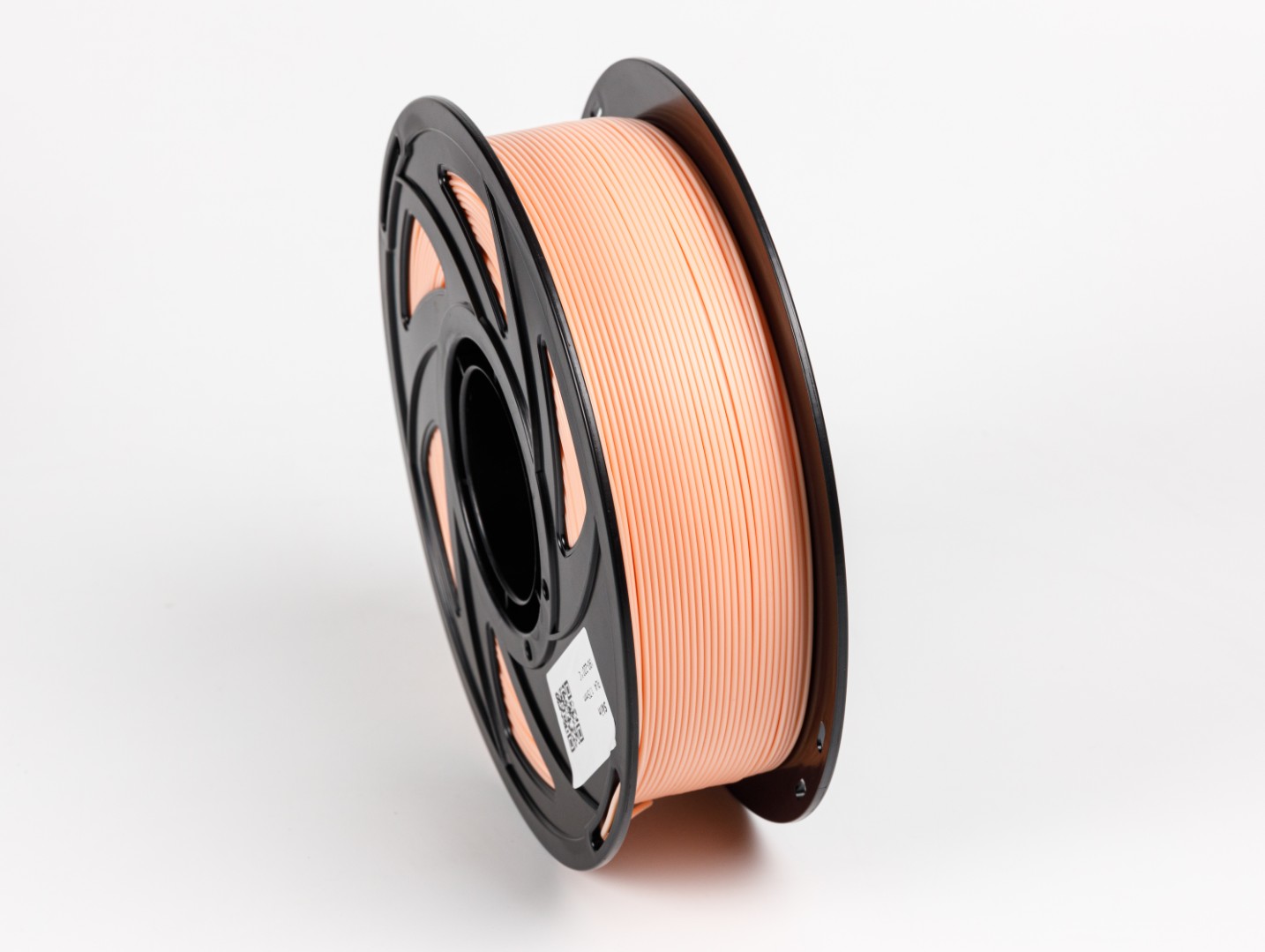
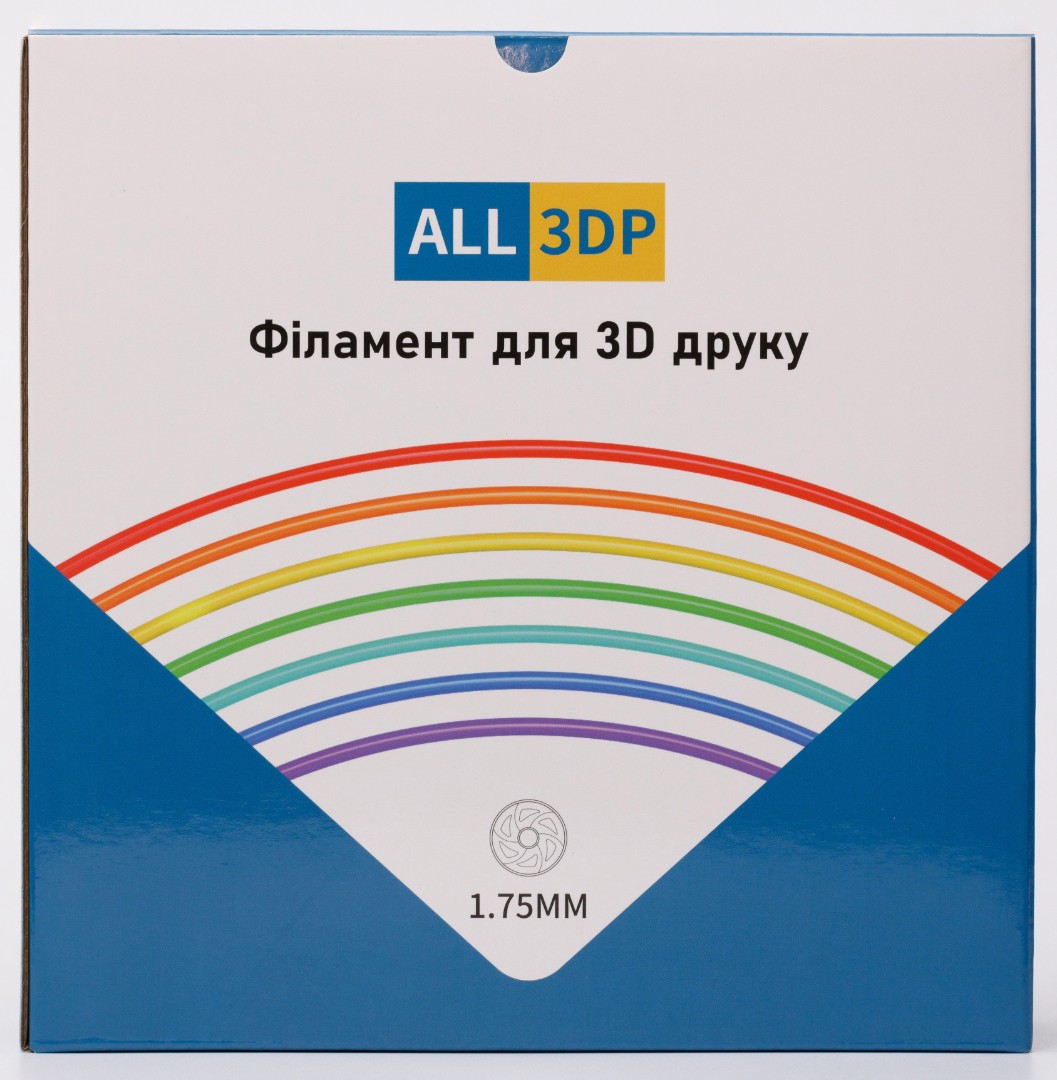
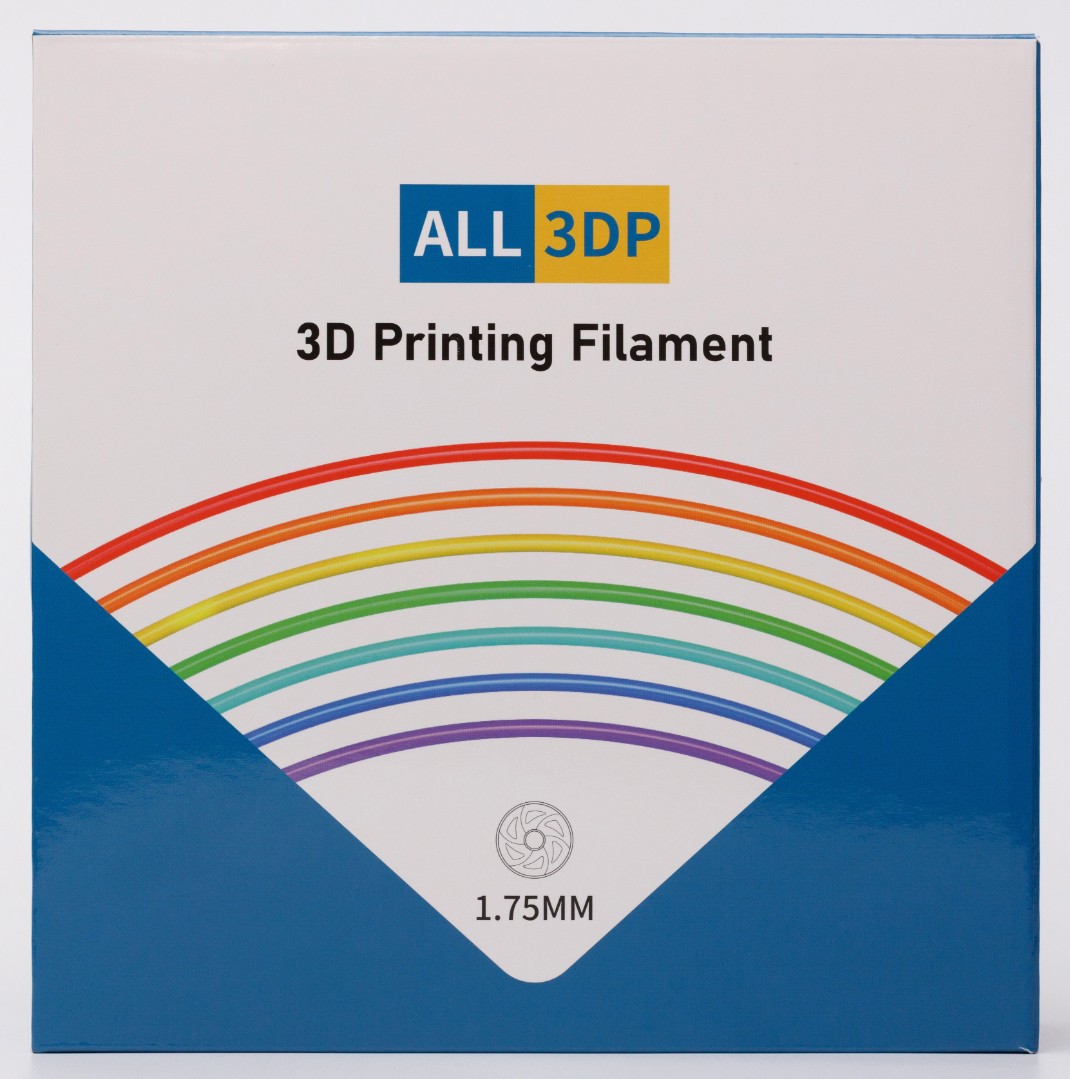
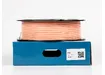
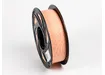
Beige PLA Filament
PLA (Polylactic Acid) is a biodegradable thermoplastic made from renewable resources such as corn starch or sugarcane. It is one of the most popular 3D printing materials due to its ease of use, lack of odor, and good surface finish. PLA is ideal for prototypes, decorative objects, educational models, and everyday items.
Features and Advantages of PLA
- Easy to use – no heated chamber or complex settings required
- Odorless – environmentally friendly and safe for indoor use
- High detail accuracy – prints fine features well
- Minimal shrinkage – ensures dimensional stability
- Wide range of colors and types available
Printing Parameters
| Parameter |
Value |
| Nozzle Temperature |
190–220 °C |
| Bed Temperature |
50–60 °C |
| Max Volumetric Speed |
8–12 mm³/s |
| Chamber Temperature |
Not required |
| Printer Type |
FDM / FFF |
| Build Surface Adhesion |
Glue, painter’s tape, PEI |
| Humidity During Printing |
Below 20% RH |
| Drying Settings |
4 hours at 45–55 °C |
Mechanical Properties
| Property |
Value |
| Density |
1.24 g/cm³ |
| Tensile Strength |
60–70 MPa |
| Elongation at Break |
3–6% |
| Tensile Strength (XY 45°) |
~50 MPa |
| Heat Deflection Temperature (HDT @ 0.45 MPa) |
55–60 °C |
| Tensile Modulus |
3500–4000 MPa |
| Charpy Impact Strength |
3–5 kJ/m² |
| Water Absorption (24h, 23 °C, 50% RH) |
0.3–0.5% |
Filament Geometry
| Parameter |
Value |
| Filament Diameter |
1.75 ± 0.05 mm |
| Ovality |
≤ 0.05 mm |
| Linear Density |
330–340 m/kg |
Frequently Asked Questions (FAQ)
- Is a heated bed required for PLA? Recommended, but not mandatory.
- Is PLA safe for indoor use? Yes, it’s made from natural materials and produces no toxic fumes.
- Is PLA suitable for outdoor use? Not really — it’s sensitive to UV and heat.
- Can PLA be food-safe? Only if certified and printed with a food-safe extruder.
- Does PLA require drying? Yes, for best print quality it should be dried before use.