


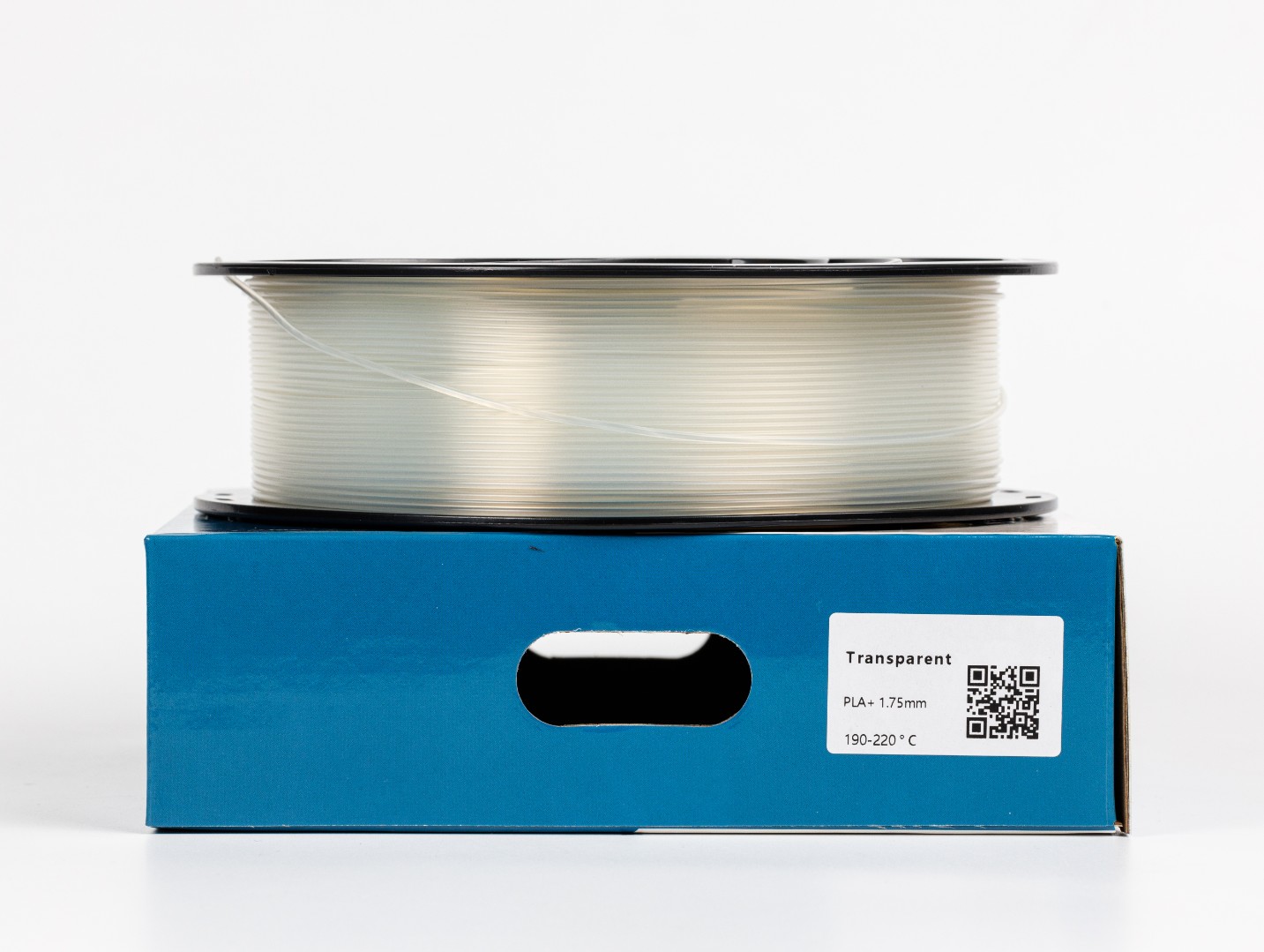
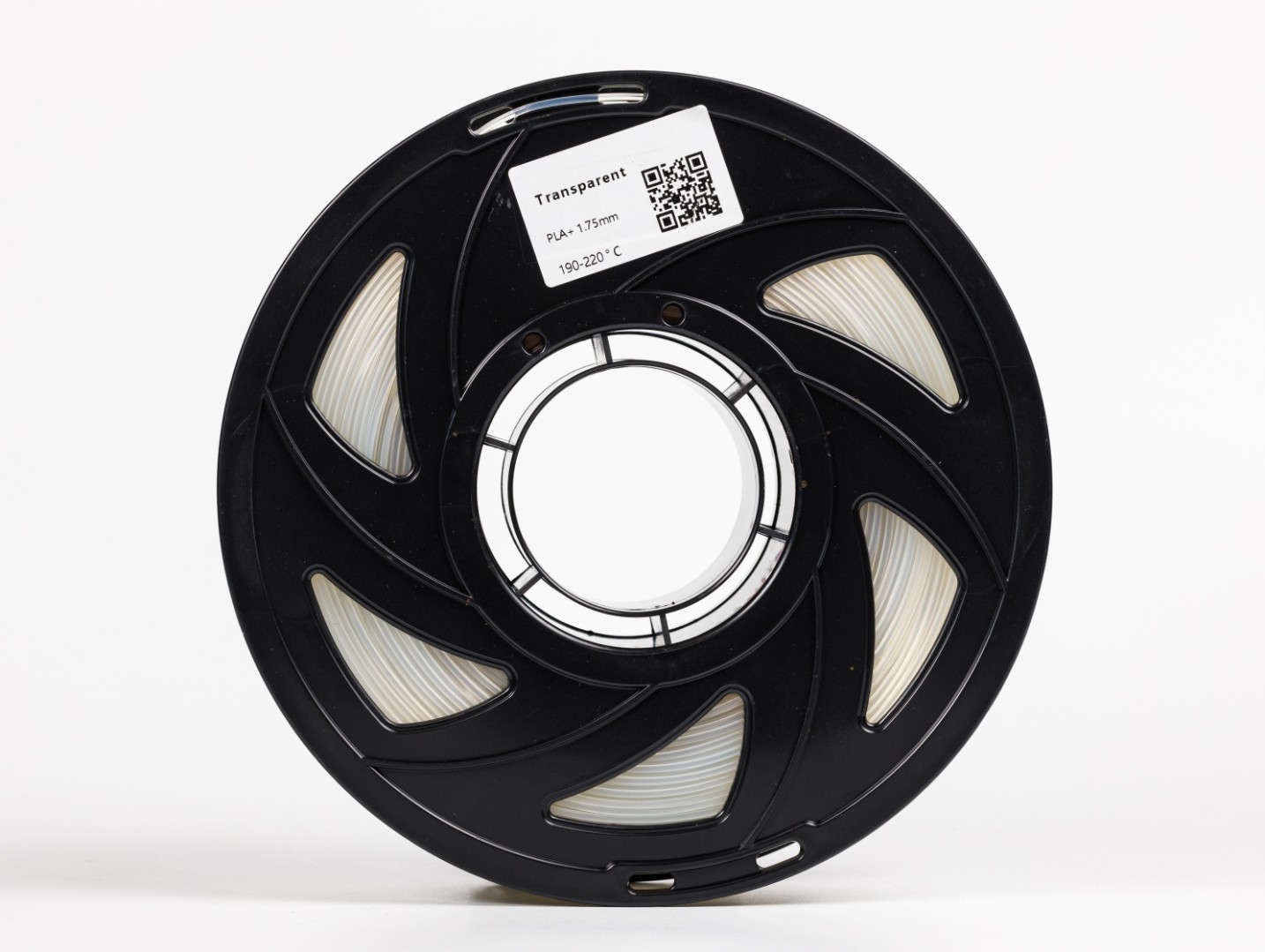
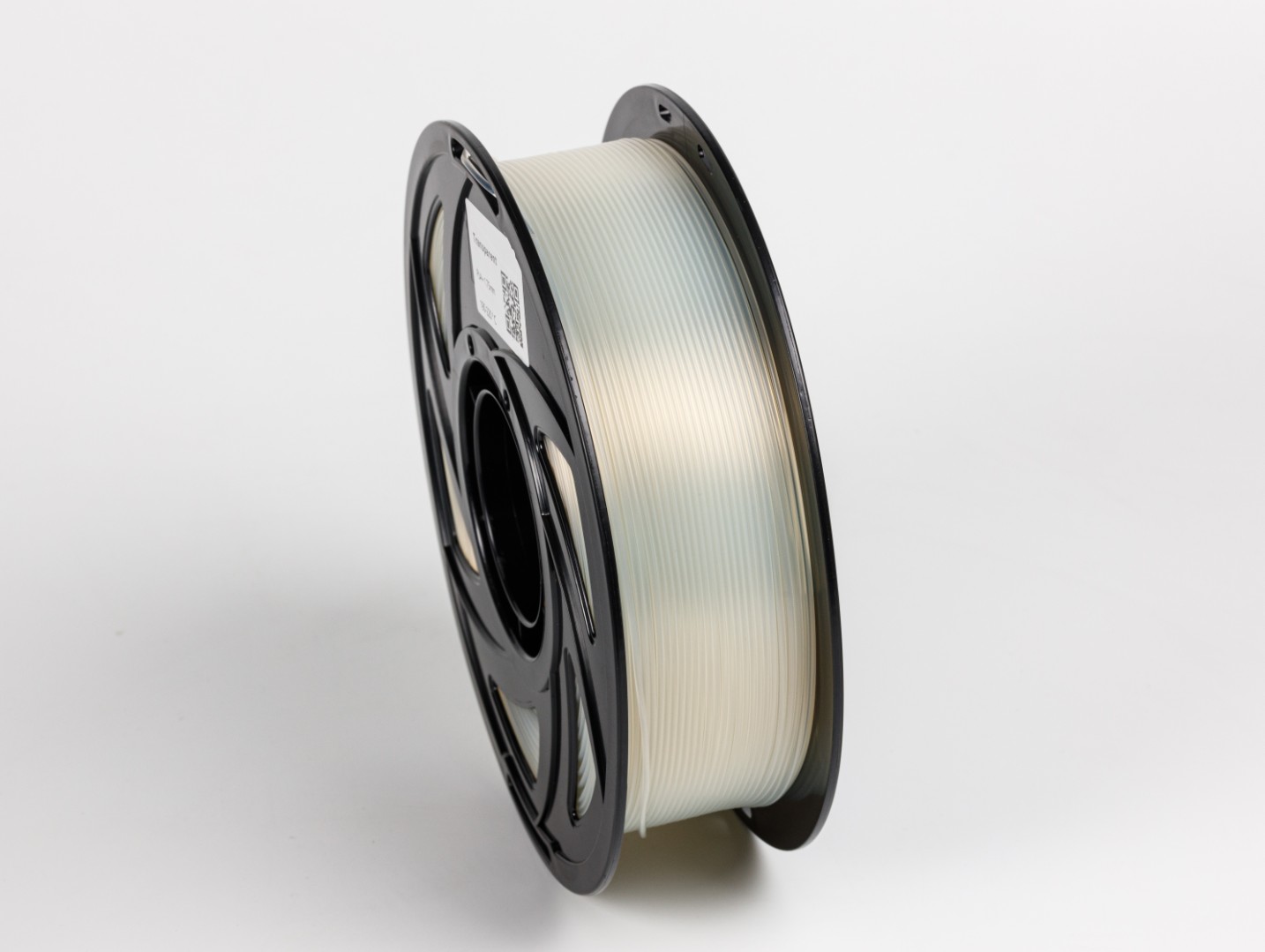
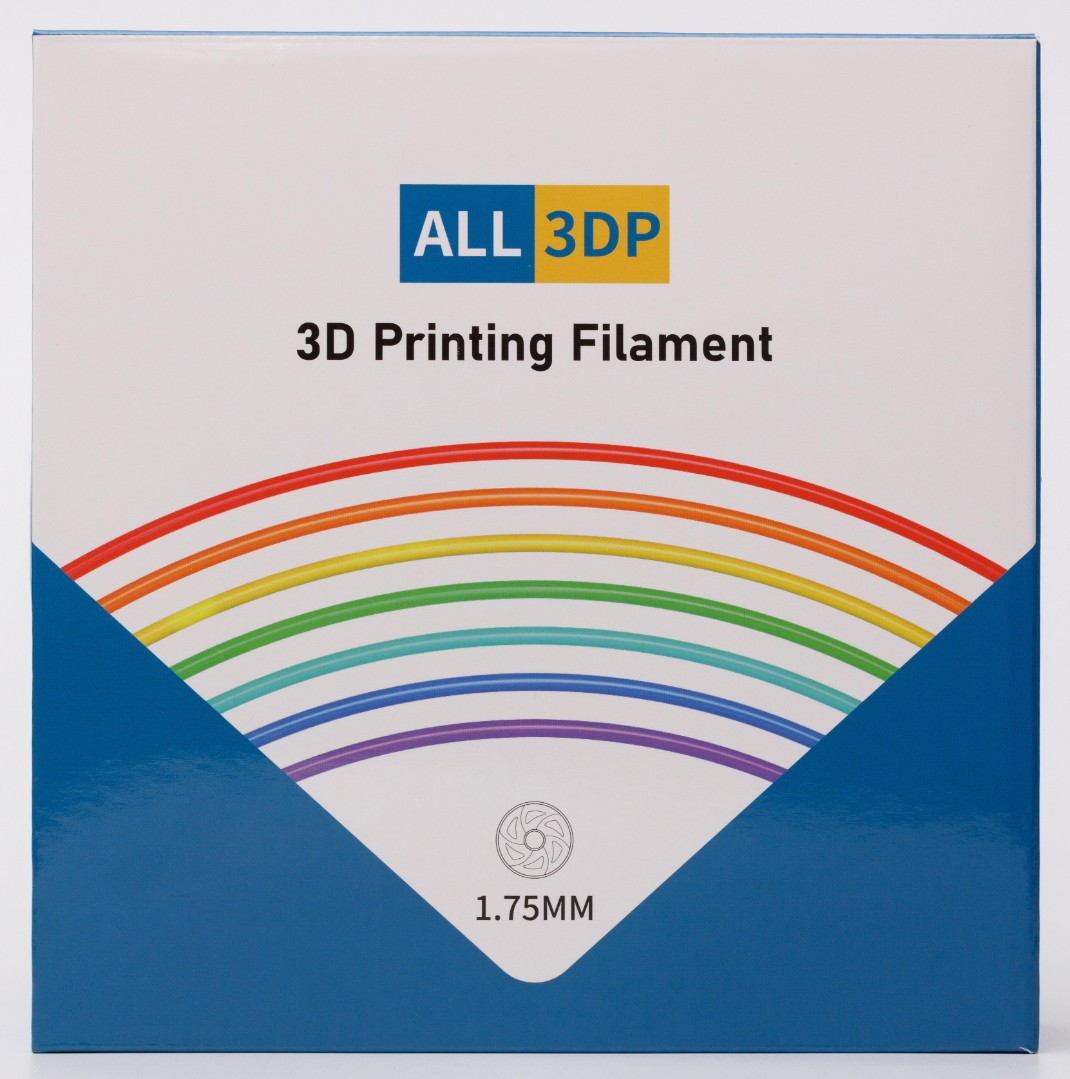
ALL3DP PLA+ Transparent Filament 1 kg 1.75 mm
ALL3DP PLA+ Transparent Filament is a transparent and semi-transparent PLA+ material for FDM/FFF 3D printers, designed for prints with a light-transmitting effect, color depth and a glossy decorative surface. The PLA+ Transparent line is suitable for vases, lampshades, decorative inserts, souvenirs, display models, housings, containers, lighting elements, design objects and visually expressive 3D printed parts.
Unlike standard opaque PLA, PLA+ Transparent transmits light and creates an attractive semi-transparent effect. Printed parts can look deeper, glossier and more decorative, especially with the right temperature, stable feeding, good layer fusion and carefully tuned print speed.
Important: PLA+ Transparent should not be confused with PLA+ Fluo or PLA Luminous. Transparent means a transparent or semi-transparent effect. Fluo means a bright neon / fluorescent color. Luminous means a material that glows in the dark after being charged by light.
✨ Key Benefits of PLA+ Transparent
- 💎 Transparent / semi-transparent effect — printed parts transmit light and look deeper.
- 🎨 Multiple transparent shades — Transparent Yellow, Transparent Green, Transparent Green Grass, Transparent Orange, Transparent Red, Transparent Blue and other colors.
- 💪 PLA+ formulation — a more practical option than basic PLA for decorative and everyday printing tasks.
- 🧵 1.75 mm diameter — compatible with most FDM/FFF 3D printers.
- ⚙️ Easy printing — does not require an enclosed chamber and works well with calibrated PLA profiles.
- 📦 1 kg spool — convenient for regular home, educational, workshop and production 3D printing.
💎 How to Get a Better Transparent Effect
In FDM printing, transparent filament usually does not produce perfect glass-like transparency. It normally creates a beautiful semi-transparent effect. The final result depends on nozzle temperature, print speed, layer height, wall thickness, infill, cooling, filament moisture and layer fusion quality.
- For better light transmission, print slightly slower than with standard PLA.
- Use stable flow and a clean nozzle.
- For vases, lampshades and decorative shells, Vase Mode / Spiralize Outer Contour works well.
- The fewer air gaps between printed lines, the better the transparent effect appears.
- If the surface becomes cloudy or shows bubbles, check filament moisture and dry the spool.
⚙️ Recommended Printing Parameters
| Nozzle temperature | 200 - 220 ℃ |
|---|---|
| Bed temperature | 50 - 60 ℃ |
| Print speed | 40 - 100 mm/s |
| Cooling fan | 60 - 100% |
| Nozzle diameter | 0.4 mm or larger |
| Layer height | 0.12 - 0.28 mm depending on the model |
| Build surface | PEI, glass, magnetic build plate or another PLA-compatible surface |
🔦 Transparent, Fluo and Luminous — What Is the Difference?
| PLA+ Transparent | Transparent or semi-transparent PLA+ filament. It transmits light and creates color depth. Suitable for vases, lampshades, lighting elements, housings, decorative inserts and design models. |
|---|---|
| PLA+ Fluo | Fluorescent PLA+ with a bright neon color. It is highly visible in normal lighting and may look vivid under UV light, but it does not necessarily glow in the dark. |
| PLA Luminous | Glow-in-the-dark filament. It absorbs light from a lamp, sunlight or UV source and then glows for a period of time in darkness. |
Simple choice: choose PLA+ Transparent if you need a transparent or semi-transparent effect. Choose PLA+ Fluo if you need a bright neon color. Choose PLA Luminous if the model must glow in the dark.
❓ FAQ
No. In FDM printing, the material usually creates a semi-transparent effect rather than perfect glass-like transparency. The result depends on print settings, wall thickness, infill and layer fusion quality. It is suitable for vases, lampshades, decorative inserts, souvenirs, display models, housings, lighting elements, design models and prints where color depth is important. PLA+ Transparent transmits light and looks semi-transparent. PLA+ Fluo has a bright neon fluorescent color, but it does not necessarily transmit light. If the filament has been stored open for a long time, starts bubbling, popping or producing a cloudy surface, drying the spool before printing is recommended.Is PLA+ Transparent completely transparent?
What is PLA+ Transparent used for?
How is PLA+ Transparent different from PLA+ Fluo?
Should PLA+ Transparent be dried?