


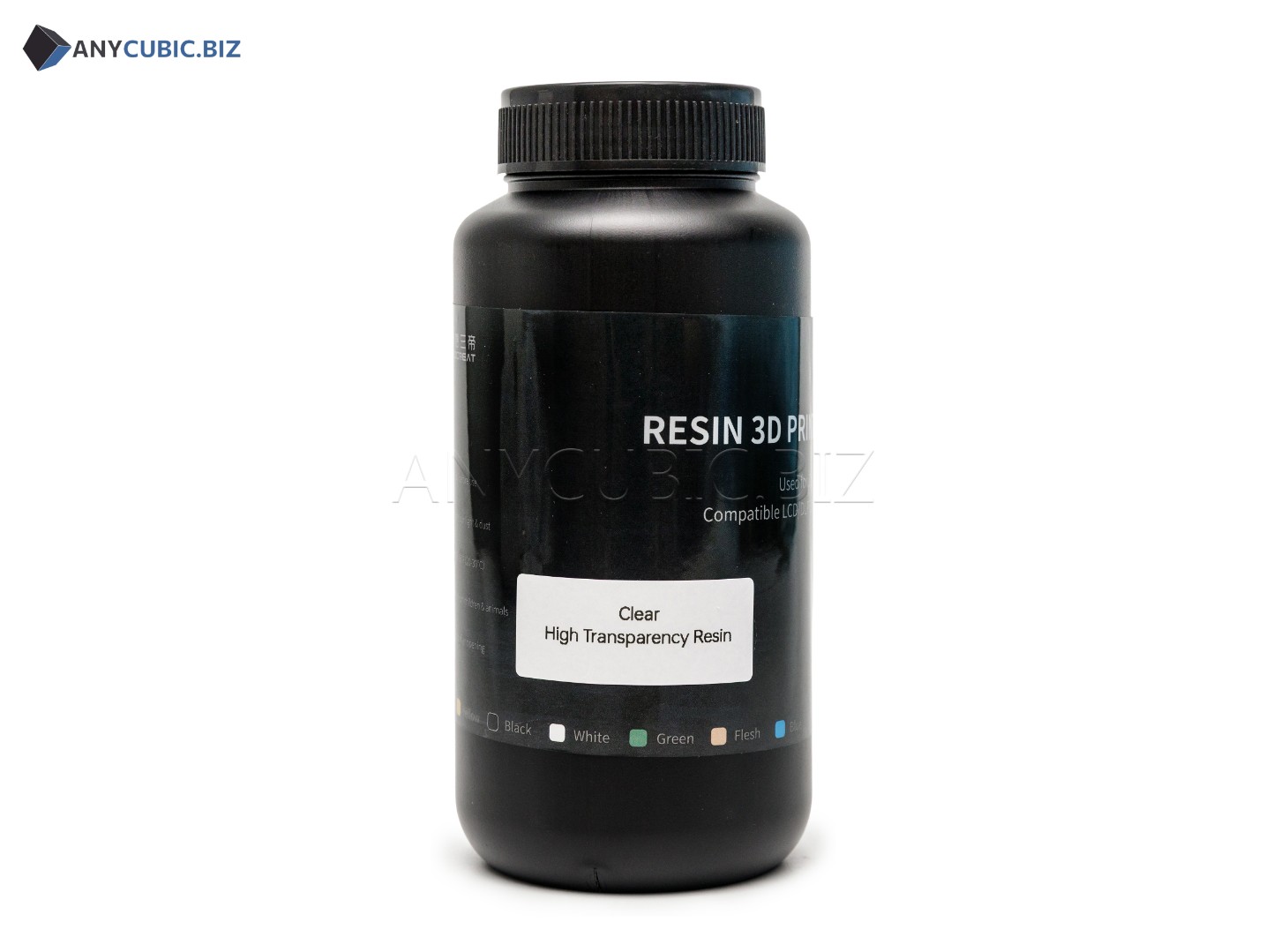
PioCreat High Transparency Resin
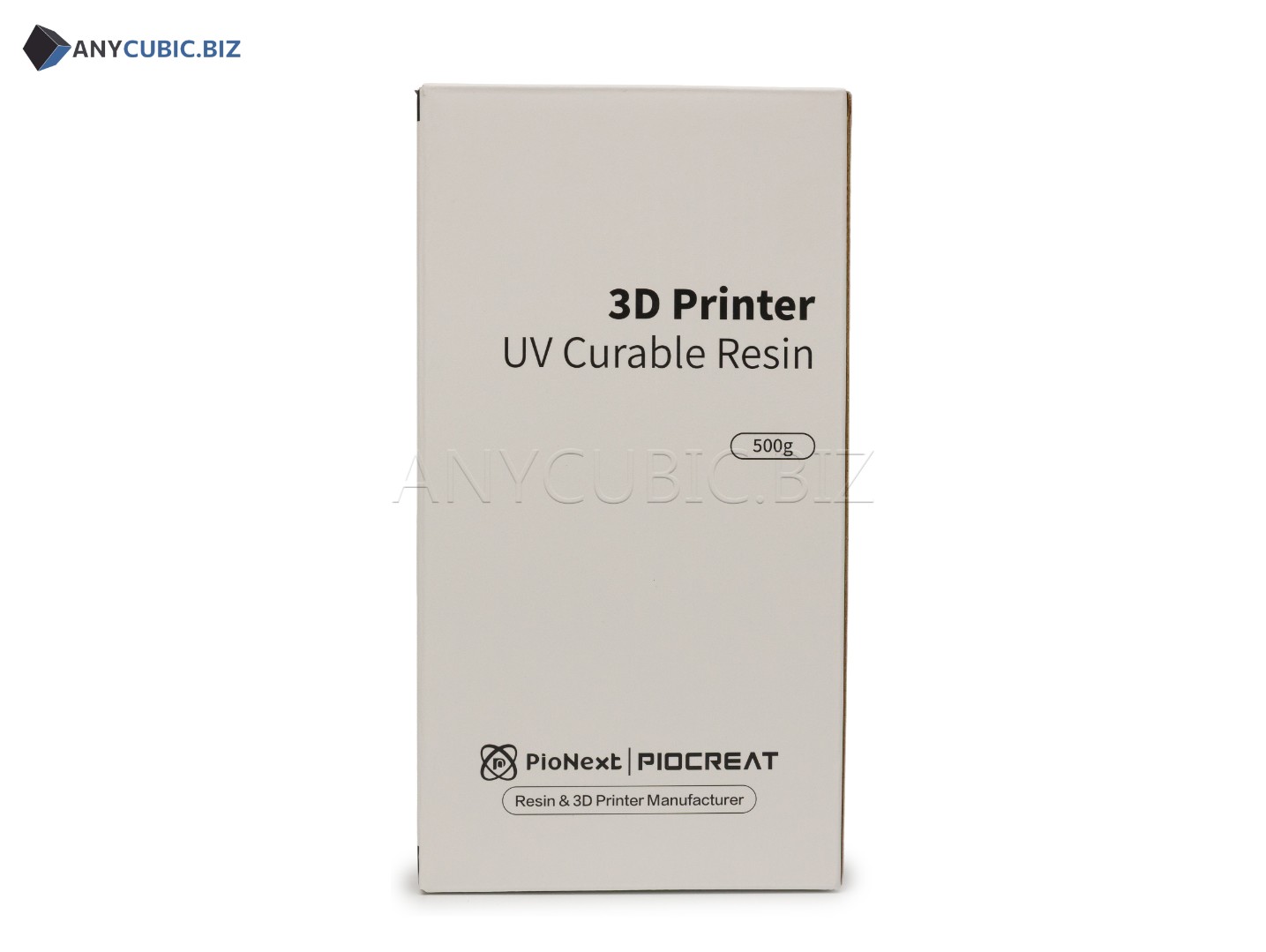
PioCreat High Transparency Resin is a high precision UV curable material for LCD and DLP 3D printing, developed for transparent parts with clean detail reproduction, smooth surfaces, and low yellowing. The resin combines good fluidity, high transparency, low shrinkage, and stable mechanical performance, making it suitable for both presentation grade transparent samples and small batch production.
Description
This resin is designed for transparent prototypes, decorative items, visualization models, transparent technical samples, lighting related parts, headphone shells, anime figures, and other design objects where surface clarity, light transmission, and fine detail accuracy matter. The material reproduces textures well, maintains clean edges, and delivers an attractive appearance after proper post processing.
Key Advantages
- High transparency for visually clear printed parts
- Low yellowing after printing and curing
- High precision and good fine detail reproduction
- Smooth surface finish
- Good liquidity and stable print performance
- Low shrinkage
- Low odor compared with many standard resins
- Suitable for prototypes, decorative parts, and visual presentation samples
Application Areas
- Transparent prototypes
- Decorative objects
- Anime figures and design models
- Visualization samples
- Lighting related parts
- Headphone shells
- Small batch production of transparent parts
Technical Specifications
| Material type | UV curable resin for LCD and DLP 3D printers |
| Viscosity at 25 C | 500 cps |
| Density at 25 C | 1.05 - 1.10 g/cm3 |
| Hardness | 80 - 85 Shore D |
| Flexural modulus | 1500 - 2000 MPa |
| Flexural strength | 80 - 100 MPa |
| Tensile modulus | 600 - 1000 MPa |
| Tensile strength | 40 - 65 MPa |
| Elongation at break | 10 - 18 % |
| Impact strength | 40 - 50 J/m |
| Heat deflection temperature | 60 - 80 C |
| Storage condition | Below 25 C, protected from light |
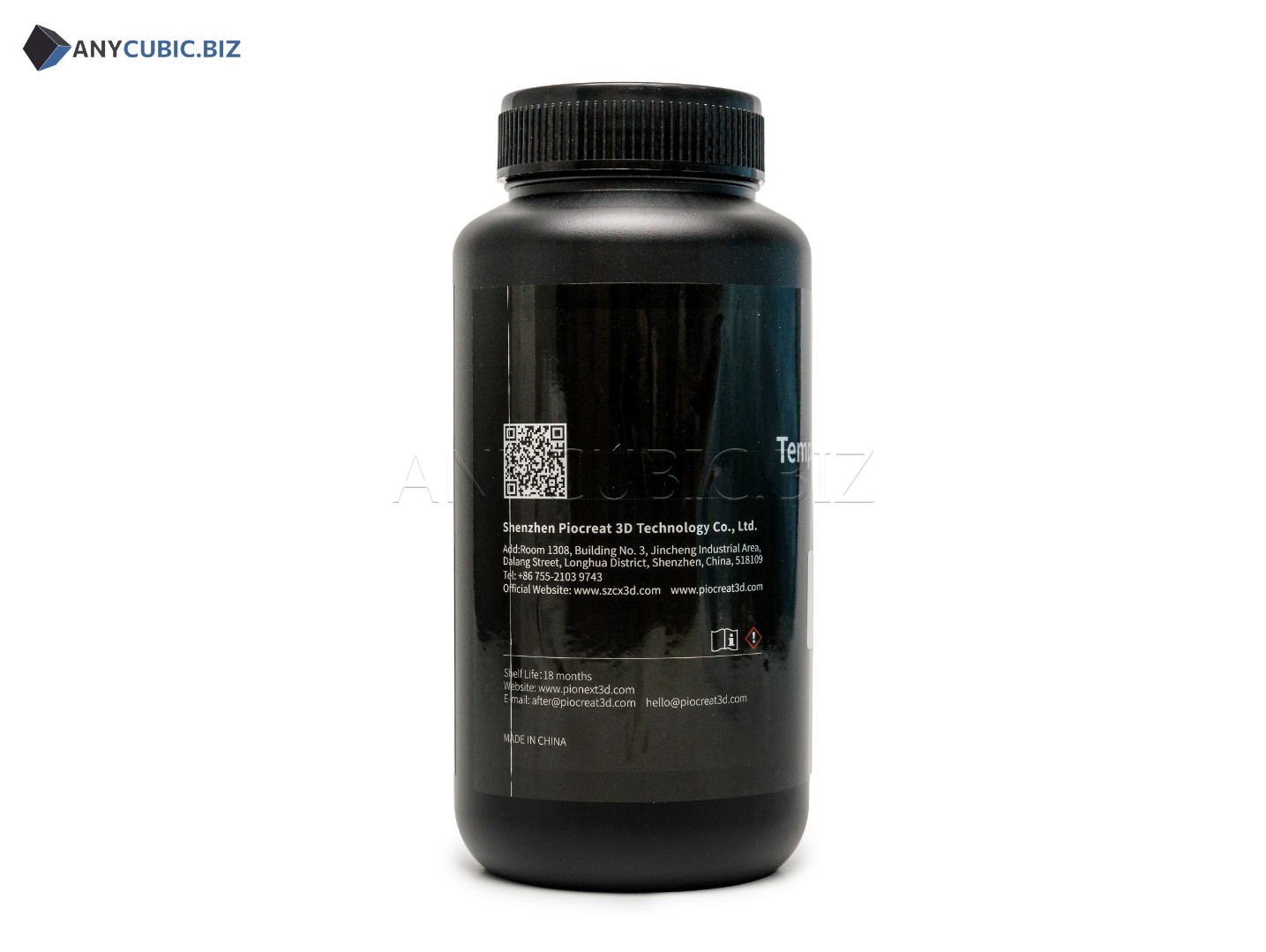
| Shelf life | 18 months |
Recommended Printing Parameters
| Equipment | Layer thickness | Base layer exposure | Normal layer exposure | Lift speed |
| DJ-89 | 0.05 - 0.1 mm | 30 - 50 s | 3.0 - 4.5 s | 1 - 8 mm/s |
| DJ-89Plus | 0.05 - 0.1 mm | 30 - 50 s | 3.0 - 4.5 s | 1 - 10 mm/s |
| Halot One | 0.05 - 0.1 mm | 20 - 40 s | 4.0 - 5.5 s | 1 - 3 mm/s |
| Halot Sky | 0.05 - 0.1 mm | 30 - 50 s | 3.0 - 4.5 s | 1 - 8 mm/s |
| Halot Mage | 0.05 - 0.1 mm | 30 - 50 s | 2.5 - 3.5 s | 1 - 3 mm/s |
| Photon Mono M5s | 0.05 - 0.1 mm | 30 - 50 s | 3.0 - 4.5 s | 1 - 10 mm/s |
| Saturn 3 Ultra | 0.05 - 0.1 mm | 30 - 50 s | 3.0 - 4.5 s | 1 - 10 mm/s |
Post Processing Recommendations
- Clean the printed model with absolute ethanol or isopropyl alcohol.
- A low frequency ultrasonic cleaner can be used. Excessively strong ultrasonic cleaning may damage fine surface details.
- Dry the model thoroughly with air flow or a hair dryer.
- Most supports should be removed before final UV post curing.
- For additional post curing, a UV lamp can be used for about 5 minutes depending on model geometry and required rigidity.
- Store finished parts in a cool and dry place.
Safety Precautions
- Avoid contact with eyes, skin, and clothing.
- Use the resin only in a well ventilated area.
- Wear gloves and follow basic personal protective measures.
- If the resin gets into the eyes, rinse with plenty of clean water for at least 20 minutes and seek medical attention.
- If the resin touches skin, wash thoroughly with soap and water and replace contaminated clothing.
- Do not use printed parts made from this resin for food contact, drink contact, or direct medical application on the human body.
- Keep the resin away from sunlight and visible light sources during storage.
FAQ
What is PioCreat High Transparency Resin used for?
This resin is suitable for transparent prototypes, decorative parts, visualization models, anime figures, transparent shells, and other applications where optical clarity and fine detail are important.
Is this resin suitable for LCD and DLP 3D printers?
Yes, the material is designed for LCD and DLP resin 3D printing systems.
How should printed models be cleaned?
The recommended cleaning agents are absolute ethanol or isopropyl alcohol.
Why can a transparent print look cloudy right after printing?
Transparent prints often require proper washing, careful drying, and controlled finishing after printing. Surface marks from supports, geometry, and final finishing quality can all affect visual clarity.
Can this resin be used for small batch production?
Yes, it is suitable not only for prototyping but also for small batch production of transparent parts and presentation samples.
How should this resin be stored?
Store the resin below 25 C in a dry place protected from sunlight and visible light.